

Introduction
Materials and Methods
Experimental materials
Pesticide residue analysis
Heavy metal analysis
Analysis of inorganic components
Solid Fuel Quality Testing
Results and Discussion
Pesticide residue
Heavy metals
Inorganic component
Solid fuel quality
Introduction
Hydroponic cultivation in Korea has grown continuously over the past two decades. The hydroponic cultivation area in the country, which was only 474 ha in 2000, has increased approximately 12-fold, reaching 5,634 ha as of 2021 (RDA 2023). Out of this area, 3,009 ha of strawberries, 872 ha of tomatoes, and 493 ha of paprika have become the representative crops for hydroponic cultivation, notably emerging as key commodities in smart farm-based agriculture. The expansion of hydroponic cultivation technology offers advantages such as increased productivity and reduced labor requirements while also, however, simultaneously creating challenges in relation to the disposal of various byproducts, including waste plant residues and used substrates generated after crop harvests (Fig. 1). This is emerging as an important issue related to environmental protection (Jadischke and Lubitz 2025).
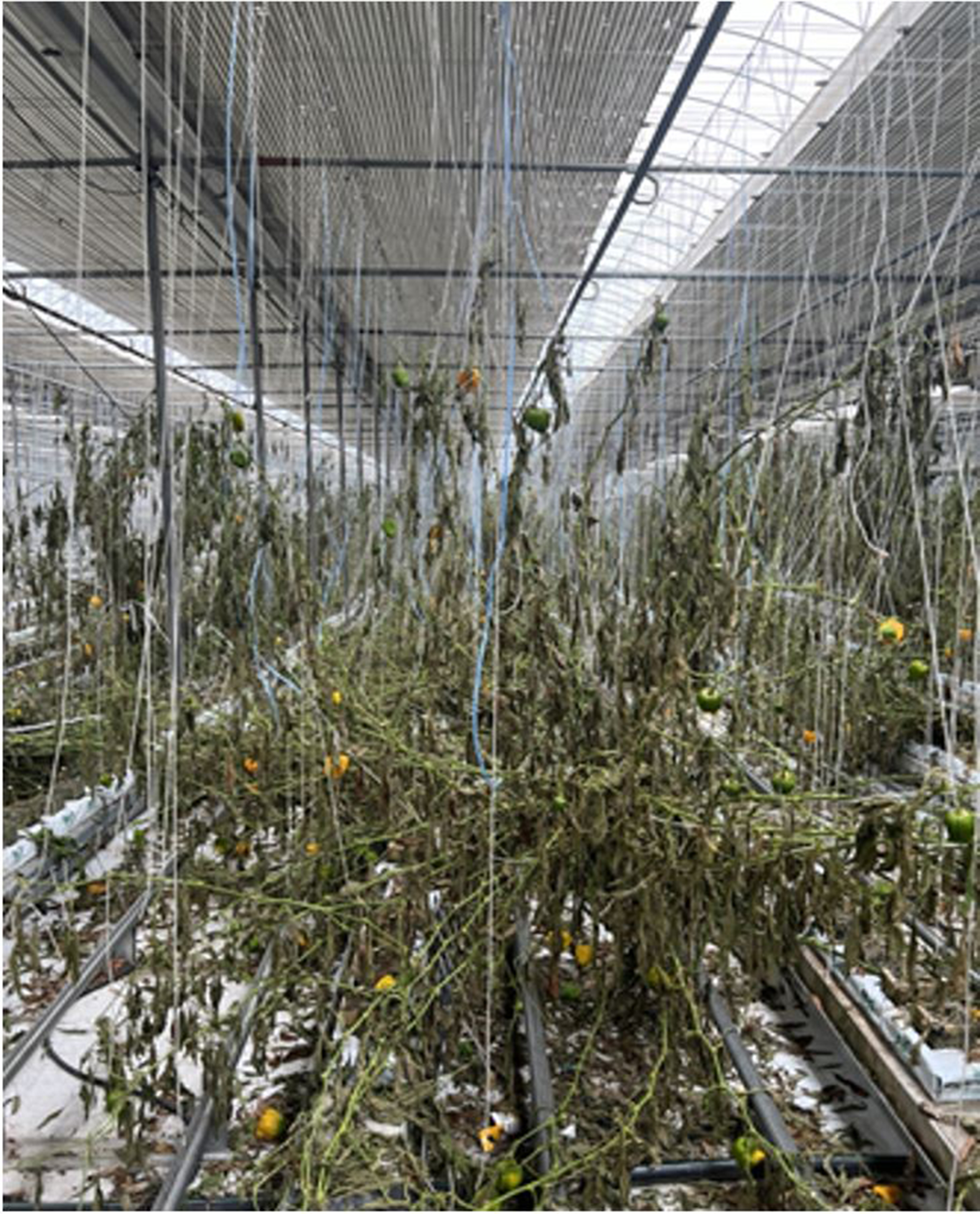
Waste generated from greenhouse cultivation is generally disposed of in landfills or is incinerated; however, these methods can lead to soil and groundwater contamination and air pollution. Landfilling can adversely affect soil and water environments through the leaching of heavy metals and hazardous chemicals (Gupta et al. 2024). Hazardous gases and particulate matter generated during incineration can deteriorate the air quality in nearby areas (Lee et al. 2016). For paprika, although the total cultivation area is smaller than that of strawberries or tomatoes, the average cultivation area per farm is larger at 0.97 ha (RDA 2021). As a result, the amount of crop residue that must be managed per farm is higher for paprika than for other crops (Fig. 2).
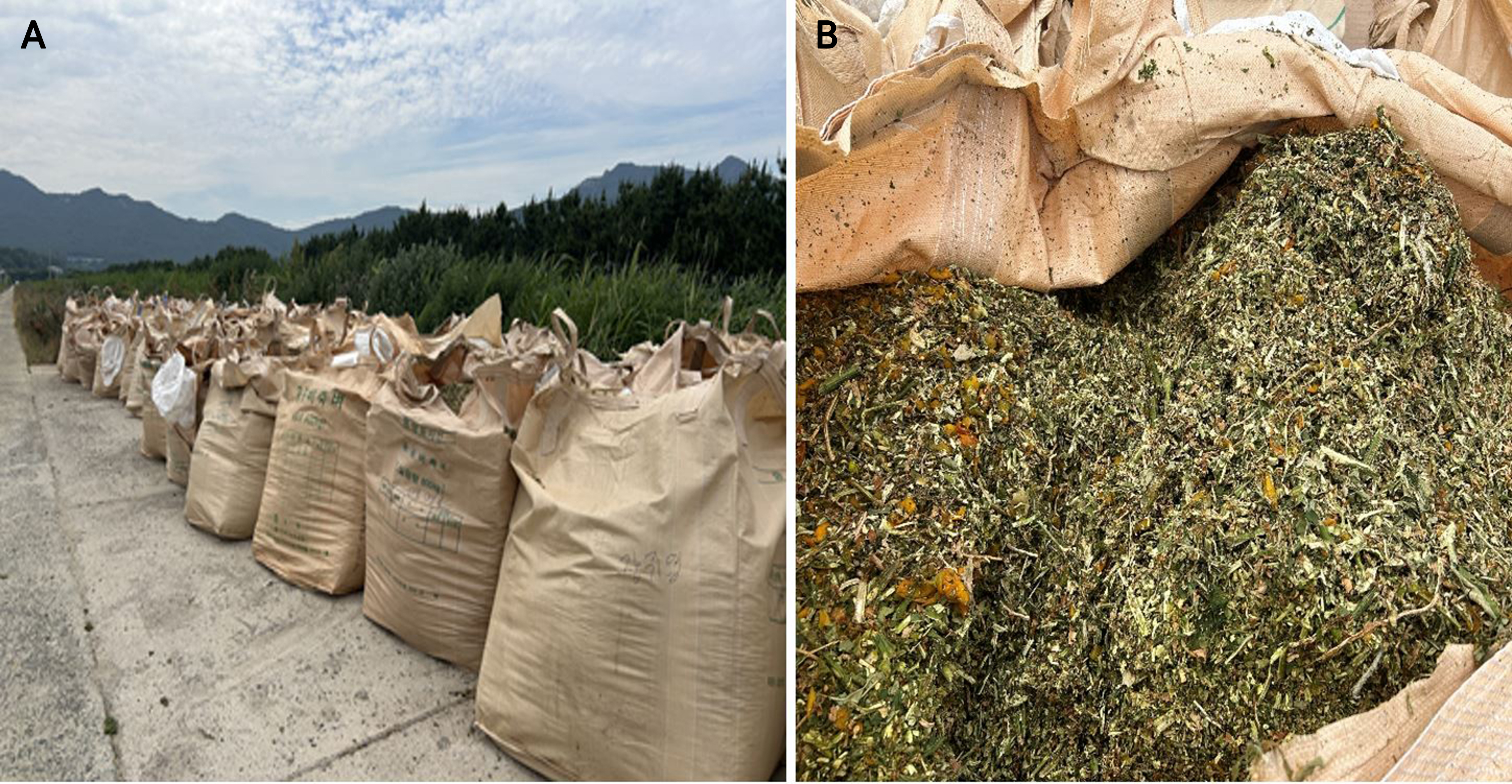
Considering that various pesticides are used for pest and disease control during crop cultivation, crop residues may contain harmful substances such as pesticide residues and heavy metals. These harmful substances can pose significant obstacles to safety during the recycling and resource utilization of by-products. In particular, there is an increasing need for systematic management as international regulations on highly toxic pesticides are strengthened (European Commission 2024). Heavy metals entering water or soil negatively affect agricultural ecosystems, and their accumulation in soil can be a major factor inhibiting crop growth (Lee and Bae 2011).
In contrast, paprika plant residues are rich in essential inorganic nutrients such as nitrogen (N), calcium (Ca), phosphorus (P), potassium (K), and magnesium (Mg), indicating their potential use as agricultural materials for compost and soil amendment purposes (Xi et al. 2012; Leghari et al. 2016; Ishfaq et al. 2022; Kumar et al. 2023). In particular, K and Ca are essential inorganic nutrients that promote crop growth, and their utilization in compost can improve soil fertility (Suvendran 2025). Additionally, these residues can be converted into solid fuels (Park et al. 2021).
Nevertheless, research that undertakes safety assessments and assesses the resource utilization potential of hydroponic by-products, including paprika, is limited, presenting a significant obstacle to sustainable agriculture. Effective by-product recycling is recognized as a key strategy for establishing resource-circulating agricultural systems and achieving sustainable agriculture. Active efforts are underway in Europe to reduce environmental impacts and enhance resource efficiency through waste valorization (Kircher et al. 2023). The expansion of hydroponic cultivation in Korea is expected to increase the amount of by-products generated and increase the environmental burden (Go et al. 2025). Thus, establishing a sustainable system that can effectively manage and utilize these by-products is imperative.
Therefore, this study aimed to investigate the chemical characteristics of crop residues generated during hydroponic paprika cultivation, focusing on pesticide residues, heavy metals, and inorganic components, and to propose environmentally and economically feasible strategies by which to utilize these residues.
Materials and Methods
Experimental materials
The plant residues used in this study were collected after the cultivation cycle of paprika and were obtained from Venlo-type glass greenhouse farms located in six regions across Korea. The collection sites consisted of two farms in Gangjin-gun (Jeollanam-do) and one farm each in Gimje-si and Namwon-si (Jeollabuk-do), Hwaseong-si (Gyeonggi-do), and Jeju-si (Jeju Special Self-Governing Province). In addition, samples from two additional farms in Namwon-si (Jeollabuk-do) and Hwaseong-si (Gyeonggi-do) were collected to evaluate their solid fuel quality. From each farm, three plants were randomly collected, and the leaves and stems, excluding the aboveground fruits, were used as analytical materials. These were then combined into a single composite sample and analyzed once. The collected plant residues were freeze-dried for seven days (168 hours), ground using a mortar to prepare analytical samples, and a total of 250 g of the freeze-dried powder was used for the analyses of pesticide residues, heavy metals, and inorganic components.
Pesticide residue analysis
The pesticide analysis of the paprika plant residues was performed using the multi-residue analysis method (QuEChERS) prescribed by the Ministry of Food and Drug Safety (MFDS 2022). A 10 g sample was transferred into a 50 mL centrifuge tube; this followed by the addition of 10 mL of acetonitrile (CH3CN) and mixing for 1 min. Subsequently, 4 g of anhydrous magnesium sulfate (MgSO4), 1 g of sodium chloride (NaCl), 1 g of trisodium citrate dihydrate, and 0.5 g of disodium citrate sesquihydrate were added and mixed. The mixture was then centrifuged at 4,000 G for ten minutes at 4°C, and 1 mL of the supernatant was collected. The supernatant was then transferred into a 2 mL centrifuge tube containing 150 mg anhydrous magnesium sulfate and 25 mg primary secondary amine (PSA), mixed for 30 s, and centrifuged again. The resulting supernatant was filtered through a 0.2-µm membrane filter (PVDF 0.2 mm, Waters Co., USA) and used for analysis, during which 320 pesticide residues were analyzed simultaneously using gas chromatography-tandem mass spectrometry (GC-MS/MS, 7890-7000C, Agilent, USA) and liquid chromatography-tandem mass spectrometry (LC-MS/MS, API 4000, ABSCIEX, USA).
Heavy metal analysis
A heavy metal analysis of paprika plant residues was conducted using inductively coupled plasma-optical emission spectroscopy (ICP-OES) in accordance with the standard analytical method for soil pollution (ES 07400.2c) stipulated by the Soil Environment Conservation Act of the Ministry of the Environment (ME 2017). Each sample (0.25 g) was mixed with 10 mL of 0.1 M nitric acid (HNO3) and digested in a microwave system at 180°C for 30 min. The decomposed samples were diluted with distilled water to a final volume of 20 mL, and the concentrations of As, Cd, Cu, Hg, Ni, Pb, and Zn were measured using inductively coupled plasma (SpectroGreen, Spectro, Germany). The measured heavy metal concentrations were compared and evaluated according to the criteria for Region 1 outlined in the Enforcement Regulations of the Soil Environment Conservation Act stipulated by the Ministry of the Environment.
Analysis of inorganic components
An analysis of the inorganic components N, P, K, Mg, Ca, Na, Mn, Si, and B in paprika plant residues was performed using ion chromatography (Dionex ICS 3000, Dionex, USA). For the analysis, each sample was accurately weighed to 3.0 g, and a guard column (IonPac CG16, 5×50 mm, Dionex, USA) and an analytical column (IonPac CS16, 5×250 mm, Dionex, USA) were used as analytical columns. A 40 mM methanesulfonic acid (MSA) solution was used as the eluent, and the flow rate was set to 1.0 mL/min. The sample injection volume was 25 mL, and detection was performed under suppressed conductivity (CDRS 600, 4 mm, recycling mode). The column oven temperature was maintained at 30°C, and the analysis time was set to 20 min. The Dionex™ Combined Six Cation Standard-II solution was used as the standard solution for the quantitative analysis.
Solid Fuel Quality Testing
Calorific value analysis
The calorific values were measured under identical conditions for both the calibration process using a standard reference material (benzoic acid) and the combustion test of the solid fuel product samples. Approximately 1 g of the sample was weighed to 0.1 mg in a combustion dish, with a fuse connected to the ignition wire. A specified amount of purified water was added to the combustion bomb, and oxygen was slowly charged at a pressure of 3.0 MPa. After filling the inner container of the calorimeter with a specified amount of purified water, it was installed in a constant-temperature chamber. The combustion bomb was placed inside, and the apparatus was checked for gas leakages while filled with water. Subsequently, an ignition circuit was connected to the combustion bomb, and a calorimeter was used to combust the sample and measure its calorific value (ME 2024).
Moisture content analysis
For the moisture content analysis, more than 300 g of freeze-dried plant residue was prepared and used without crushing. The samples were evenly spread in an evaporating dish to a thickness of 30 mm or less and dried in a drying oven at 105°C until a constant weight was achieved. After drying, the samples were cooled in a desiccator and weighed, and the moisture content was calculated from the weight difference before and after drying (ME 2024).
Ash content analysis
For the ash content analysis, the samples were finely ground to a particle size of 1 mm or less. In each case, a prepared sample of 5 g was placed in a crucible, and a 25% ammonium nitrate solution was added. The mixture was gradually heated in a furnace to 250 °C over approximately 50 minutes to remove volatile components. This temperature was maintained for 60 min. Subsequently, the temperature was increased to 550 °C and held at that level for at least 120 minutes to ensure complete decomposition. The resulting material was then cooled to room temperature in a desiccator. Subsequently, the ash content was calculated based on the final difference in the sample weight (ME 2024).
Chlorine and sulfur content analysis
The chlorine and sulfur contents were analyzed using a combustion bomb (apparatus as specified by the KS M 2027 9.3 bomb gravimetric method). For this analysis, the samples were finely ground to a particle size of less than 1 mm, and the gases generated by the combustion of the samples were collected in an absorbing solution. The concentrations were measured and analyzed by ion chromatography (Dionex ICS 3000, Dionex, USA) (ME 2024).
Biomass content analysis
Samples with a particle size of 1 mm or less were prepared for a biomass content analysis. Approximately 5 g of the sample was dried following the same procedure used for the moisture content analysis and then reacted with 150 mL of 80% sulfuric acid for 16 h. Subsequently, 30 mL of 35% hydrogen peroxide was added, and the reaction was continued for an additional 5 h. After completion of the reaction, the sample was diluted with purified water and vacuum filtered using a glass fiber filter. The residue was then dried and weighed, and the ash content was determined using an ash content analysis method to calculate the biomass content (ME 2024).
Results and Discussion
Pesticide residue
To evaluate the potential resource potential of paprika plant residues, 320 pesticide residues were analyzed, and 19 types of fungicides and insecticides were detected (Table 1). The residue levels of these substances were evaluated based on the maximum residue limits established by the Ministry of Food and Drug Safety (MFDS 2023). The allowable limits for the detected pesticides are as follows: pyrifluquinazon, 0.5 mg·kg-1; chlorfenapyr, 0.7 mg·kg-1; chlorantraniliprole, flubendiamide, fluxapyroxad, pyraclostrobin, and tetraconazole, 1.0 mg·kg-1; pyridalyl, flonicamid, dinotefuran, azoxystrobin, and kresoxim-methyl, 2.0 mg·kg-1; fluopyram, penthiopyrad, boscalid, and fludioxonil, 3.0 mg·kg-1; and carbendazim and procymidone, 5.0 mg·kg-1. However, there are no specific residue-permissible standards for pyridine in Korea. Among the detected pesticide residues, six exceeded the allowable limits. Chlorantraniliprole was detected at levels of 6.970 mg·kg-1 and 4.285 mg·kg-1 at the Gangjin 2 and Gimje farms, respectively, both exceeding the maximum residue limit of 1.0 mg·kg-1. In addition, pyridalyl was detected at 5.441 mg·kg-1 and 18.096 mg·kg-1 at the farms located in Namwon and Jeju, respectively, exceeding the maximum residue limit of 2.0 mg·kg-1. Azoxystrobin was also detected at 2.986 mg·kg-1 at the Jeju farm, exceeding the maximum residue limit of 2.0 mg·kg-1. Boscalid was detected at 13.268 mg·kg-1 at the farm located in Gimje, exceeding the maximum residue limit of 3.0 mg·kg-1, and fluxapyroxad was detected at 2.775 mg·kg-1 at the Gimje farm, exceeding the maximum residue limit of 1.0 mg·kg-1. Among the pesticide residues exceeding the maximum residue limit, five (chlorantraniliprole, pyridalyl, azoxystrobin, boscalid, and fluxapyroxad) were classified as having relatively low toxicity. In general, pesticides with low toxicity exhibit low acute toxicity but may potentially cause chronic diseases upon long-term exposure (Jang 2016). The insecticide dinotefuran, classified as a highly toxic pesticide, was detected at 2.134 mg·kg-1 at the farm located in Hwaseong. This exceeds the maximum residue limit of 2.0 mg·kg-1 by 0.134 mg·kg-1. Dinotefuran is currently not approved as a pesticide by the European Union (EU) and is only permitted for restricted use as a biocidal product (European Commission 2024). These results indicate that strict compliance with the allowable types and concentrations of pesticides is essential in the absence of clear guidelines for the resource recovery of paprika plant residues as agricultural by-products. It is essential that the majority of farms strictly comply with pesticide regulations to establish a resource utilization system and explore sustainable use strategies. If pesticide residue limits are observed during crop cultivation, paprika plant residues can be effectively utilized through various resource recovery pathways, such as compost, soil amendments, solid fuels, and biochar (Leogrande et al. 2024).
Table 1.
Analysis results of pesticide residues in paprika plant residues after cultivation
| Region | Fluopyram | Penthiopyrad | Chlorantraniliprole | Pyridaly | Pyridalyl | Azoxystrobin | Boscalid | Carbendazim | Flonicamid | Flubendiamide |
| mg·kg-1 | ||||||||||
| Gangjin 1 | N.D.z | N.D. | 0.032 | N.D. | 1.008 | 0.019 | N.D. | 0.079 | 0.07 | 0.376 |
| Gangjin 2 | N.D. | N.D. | 6.97 | N.D. | 5.441 | N.D. | N.D. | N.D. | N.D. | N.D. |
| Gimje | 0.063 | 0.088 | 4.285 | 10.035 | N.D. | 0.864 | 13.268 | N.D. | 0.848 | 0.333 |
| Namwon | N.D. | N.D. | N.D. | N.D. | 0.323 | 0.496 | N.D. | N.D. | 0.076 | N.D. |
| Hwaseong | N.D. | N.D. | N.D. | N.D. | N.D. | 1.366 | N.D. | 0.09 | N.D. | N.D. |
| Jeju | N.D. | N.D. | 0.012 | N.D. | 18.096 | 2.986 | 1.144 | N.D. | 0.501 | N.D. |
| Region | Fluxapyroxad | Pyrifluquinazon | Chlorfenapyr |
Kresoxim- methyl | Pyraclostrobin | Tetraconazole | Dinotefuran | Fludioxonil | Procymidone | 301 other ingredients |
| mg·kg-1 | ||||||||||
| Gangjin 1 | N.D.z | 0.053 | N.D. | N.D. | N.D. | N.D. | N.D. | N.D. | N.D. | N.D. |
| Gangjin 2 | 0.035 | 0.198 | 0.019 | 0.028 | N.D. | N.D. | N.D. | N.D. | N.D. | N.D. |
| Gimje | 2.775 | N.D. | N.D. | 0.21 | 0.029 | 0.03 | N.D. | N.D. | N.D. | N.D. |
| Namwon | N.D. | N.D. | N.D. | N.D. | 0.023 | N.D. | 0.068 | N.D. | N.D. | N.D. |
| Hwaseong | N.D. | 0.011 | 0.039 | N.D. | N.D. | N.D. | 2.134 | 0.014 | N.D. | N.D. |
| Jeju | N.D. | 0.037 | 0.074 | N.D. | 0.112 | N.D. | 1.345 | N.D. | 0.029 | N.D. |
Heavy metals
The analysis of paprika plant residues for seven heavy metals (As, Cd, Cu, Ni, Pb, Zn, and Hg) showed that arsenic (As), cadmium (Cd), copper (Cu), nickel (Ni), lead (Pb), and zinc (Zn) were detected in some samples, whereas mercury (Hg) was not detected in any of the samples (Table 2). Heavy metal concentrations were evaluated based on the Region 1 criteria specified in the “Soil Contamination Concern Standards” of the Soil Environment Conservation Act. Region 1 includes paddy fields, dry fields, orchards, pastures, and mineral spring sites according to the “Act on the Establishment and Management of Spatial Data” (Law Information Center, Korea 2024). The permissible limits for heavy metals are specified as follows: Cd and Hg 4 mg·L-1, As 25 mg·L-1, Ni 100 mg·L-1, Cu 150 mg·L-1, Pb 200 mg·L-1, and Zn 300 mg·L-1. Most heavy metal concentrations in the samples from most farms were within permissible limits. However, zinc was measured at 413 mg·L-1 in samples from the Gangjin 1 farm, exceeding the permissible limit by 113 mg·L-1. Although zinc is an essential micronutrient for plant growth, it has been reported that excessive concentrations can induce negative physiological effects, such as inhibited plant growth, reduced photosynthesis and respiration rates, and imbalances in inorganic nutrients (Kaur and Garg 2021). When these plant residues are recycled as compost or liquid fertilizer, there is a possibility that high concentrations of zinc could continuously accumulate in the soil. This may lead to the reabsorption of heavy metals by subsequent crops and their bioaccumulation within plant tissues, potentially causing long-term adverse environmental effects (Singh et al. 2024). In addition, when plant residues containing high concentrations of Zn are used as solid fuels, Zn can be converted into volatile compounds during combustion and released into the atmosphere, where it may act as an air pollutant (Liu et al. 2010). The detection of Zn concentrations exceeding permissible levels in some farm samples suggests that Zn may have been introduced and accumulated through contact with metallic water supply pipes or reused materials employed in nutrient solution delivery systems during cultivation. In particular, corrosion or leaching from metallic pipes, nutrient solution storage tanks, and drip irrigation pipes within greenhouse facilities could be the major causes. Therefore, regular facility inspections and the reinforcement of management systems are required.
Table 2.
Analysis results of heavy metals in paprika plant residues after cultivation
| Region |
Arsenic (As) |
Cadmium (Cd) |
Copper (Cu) |
Mercury (Hg) |
Nickel (Ni) |
Lead (Pb) |
Zinc (Zn) |
| mg·kg-1 | |||||||
| Gangjin 1 | 0.0822 | 0.019 | 11.2 | N.D.z | N.D. | N.D. | 413 |
| Gangjin 2 | 0.0719 | 0.0513 | 5.01 | N.D. | N.D. | 0.154 | N.D. |
| Gimje | 0.0351 | 0.0199 | 4.03 | N.D. | N.D. | 0.0838 | 108 |
| Namwon | 0.181 | 0.041 | 18.8 | N.D. | N.D. | 0.161 | 221 |
| Hwaseong | 0.149 | N.D. | 3.91 | N.D. | 0.318 | 2 | 163 |
| Jeju | 0.232 | 0.0842 | 4.98 | N.D. | 0.0312 | 1.18 | 143 |
Inorganic component
Various mineral nutrients such as N, Ca, P, K, Mg, Mn, Si, B, and sodium (Na) were detected as a result of analyzing the inorganic components of paprika plant residues after cultivation (Table 3). Among these, the concentrations of N, Ca, P, K, and Mg were all detected at levels exceeding 1,500 mg·L-1. In particular, N was detected at 32,300 mg·L-1 at Gangjin 1, 41,100 mg·L-1 at Gangjin 2, 45,400 mg·L-1 at Gimje, 46,500 mg·L-1 at Namwon, 40,700 mg·L-1 at Hwaseong, and 47,800 mg·L-1 at the Jeju farm. N is an essential element for plant growth and development, playing a crucial role in various physiological and biochemical processes within plants, thereby contributing to improved crop productivity and quality (Leghari et al. 2016). Ca was detected at 2,660 mg·L-1 at Gangjin 1, 4,990 mg·L-1 at Gangjin 2, 5,970 mg·L-1 at Gimje, 31,800 mg·L-1 at Namwon, 16,500 mg·L-1 at Hwaseong, and 42,600 mg·L-1 at Jeju. Ca is an essential element for plant growth and serves as a key signaling component involved in cell plate formation and cytokinesis during cell division (Hepler 1994). P was detected at 6,490 mg·L-1 at Gangjin 1, 7,630 mg·L-1 at Gangjin 2, 4,290 mg·L-1 at Gimje, 3,510 mg·L-1 at Namwon, 3,050 mg·L-1 at Hwaseong, and 5,150 mg·L-1 at the Jeju farm. P is an essential element for plant growth and development that significantly affects plant growth conditions and acts as a critical determinant of crop productivity (Kumar et al. 2023). K was detected at 56,500 mg·L-1 at Gangjin 1, 58,000 mg·L-1 at Gangjin 2, 72,800 mg·L-1 at Gimje, 68,100 mg·L-1 at Namwon, 65,300 mg·L-1 at Hwaseong, and 66,400 mg·L-1 at Jeju. K positively influences nitrogen uptake and assimilation by affecting root morphology and activity, as well as the activity of enzymes involved in carbon and nitrogen metabolism (Xu et al. 2020). Mg was detected at 1,600 mg·L-1 at Gangjin 1, 2,790 mg·L-1 at Gangjin 2, 2,490 mg·L-1 at Gimje, 6,450 mg·L-1 at Namwon, 6,720 mg·L-1 at Hwaseong, and 5,330 mg·L-1 at Jeju. Mg plays a crucial role in essential physiological and biochemical processes in plants, including chlorophyll synthesis, production, transport, and utilization of photosynthetic products, enzyme activation, and protein synthesis (Ishfaq et al. 2022). These results suggest that paprika plant residues contain high levels of essential inorganic nutrients, indicating their great potential for use as compost or soil amendments.
Table 3.
Analysis results of inorganic components in paprika plant residues after cultivation
Solid fuel quality
To investigate the potential utilization of paprika plant residues as a biomass resource, the lower heating value, higher heating value, moisture, ash contents, and bio-mass were analyzed. Because the lignocellulosic composition of paprika plants is expected to show minimal variation depending on the cultivation practices, pesticide and fertilizer application timing, and input levels, two representative farms were selected for a pilot evaluation. As shown in Table 4, the lower heating values of the plant materials collected from the farms in Namwon-si (Jeollabuk-do) and Hwaseong-si (Gyeonggi-do) were 0 kcal·kg-1 and 110 kcal·kg-1, respectively. These values did not satisfy the quality standards for manufactured solid fuels (≥3,000 kcal·kg-1) as stipulated by the Enforcement Rule of the Act on the Promotion of Saving and Recycling of Resources (Law Information Center, Korea 2020). This was presumed to be due to insufficient drying of the paprika plant residues, leading to the failure to meet the standard value. The higher heating values of paprika residues collected from the farms in Namwon and Hwaseong were 3,180 kcal·kg-1 and 3,300 kcal·kg-1, respectively, indicating their potential for use as solid fuels (Oh et al. 2007). However, the corresponding moisture contents were 84.8% and 80.2%, significantly exceeding the solid fuel quality standard of 25% or less. Excessive moisture reduces the combustion efficiency and can cause issues such as incomplete combustion and instability during burning (Zhao et al. 2021). If local-scale by-product treatment systems such as solar greenhouse-type dryers or cooperative drying facilities are introduced at the farm level, it is expected that various forms of resource recycling, including solid fuel production, could be achieved. In fact, in Ethiopia, a study was conducted on the economic feasibility and environmental sustainability of solar greenhouse dryers (Demissie et al. 2024), while in Spain, agri-food cooperatives have established decentralized facilities to collectively wash, dry, and grind vegetable by-products for use in high value-added bio-products (Bas-Bellver et al. 2020). The higher heating value of solid fuels typically ranges from 2,390 to 7,000 kcal·kg-1, and these samples are competitive in terms of their energy density. Therefore, paprika residue can be utilized as a solid fuel if the moisture content is reduced through a pre-drying process. The concentrations of chlorine (Cl) and sulfur (S) were within the permissible limits for both samples. These components can generate harmful gases during combustion and may cause corrosion inside boilers or combustion equipment. For these reasons, it is desirable to maintain their concentrations below quality standards (Hong et al. 2025). This indicates that plant residues have the potential for environmentally friendly combustion. The analysis of the biomass content revealed that the plant residues contained a high proportion of organic matter, with values of 97.7% for the Namwon farm and 99.6% for the Hwaseong farm. These results exceed the solid fuel quality standard of 95% or higher, indicating that paprika plant residue meets the requirements for use as a solid fuel in terms of its organic matter content (Lee et al. 2023). These results demonstrate that plant residues from both farms have high potential for utilization as bio-derived resources, supporting their applicability as bioenergy materials owing to their efficient energy conversion and lower emissions of harmful substances during combustion (Wang et al. 2015). Meanwhile, the ash content exceeded the permissible limits, indicating that minerals introduced from the soil were adsorbed or accumulated, resulting in increased ash content levels (Hansted et al. 2018). Plant residues contain abundant inorganic components that make them suitable for use as soil amendments, this being a major factor contributing to their increased ash content. However, considering that Korea relies heavily on imported biomass, the development of diverse domestic biomass resources is urgent (MOTIE 2024). Therefore, paprika plant residues, as a promising domestic biomass resource, should be explored further for potential utilization after appropriate pretreatment processes such as drying. In particular, to utilize them as solid fuels, it is essential to meet quality standards for lower heating values and moisture contents; therefore, a pre-drying process is indispensable. Through this process, the quality of paprika plant residues is expected to be improved to a level that meets the standards for solid fuels. Paprika plant residues with quality assured through these processes possess high potential for utilization as biomass-based renewable energy resources and demonstrate commercial feasibility in terms of resource recovery.
Table 4.
Test results of solid fuel quality from paprika plant residues after cultivation
This study also identifies several factors that need to be addressed in relation to the resource utilization process. A residual pesticide analysis revealed that some farm samples contained pesticide components that exceeded the permissible limits. In particular, the highly toxic insecticide dinotefuran was detected above the permissible limit, indicating the need for strengthened management in accordance with international regulations. The heavy metal analysis showed that Zn concentrations in some samples exceeded the permissible limits, indicating the need for thorough environmental management, including the prevention of corrosion in water supply pipes and other facilities. The inorganic component analysis conducted here revealed that paprika plant residues are rich in essential nutrients, confirming their potential use as agricultural materials, such as compost or soil amendments. In the solid fuel quality assessment, the lower heating value, moisture content, and ash content did not satisfy the corresponding standard criteria. However, considering their high biomass content, paprika plant residues could be utilized as a solid fuel or bioenergy feedstock upon the application of an appropriate pre-drying process. In conclusion, paprika plant residues can be commercially utilized as recyclable materials if conditions such as compliance with pesticide residue limits, the prevention of heavy metal contamination, and appropriate pre-drying are met. Because the stability of these materials has been verified in this study, they can be safely recycled as organic and inorganic fertilizers and soil amendments. Establishing a systematic collection and recycling system would enable their effective use as renewable resources, thereby contributing to waste reduction and the development of a sustainable agricultural resource circulation system.
